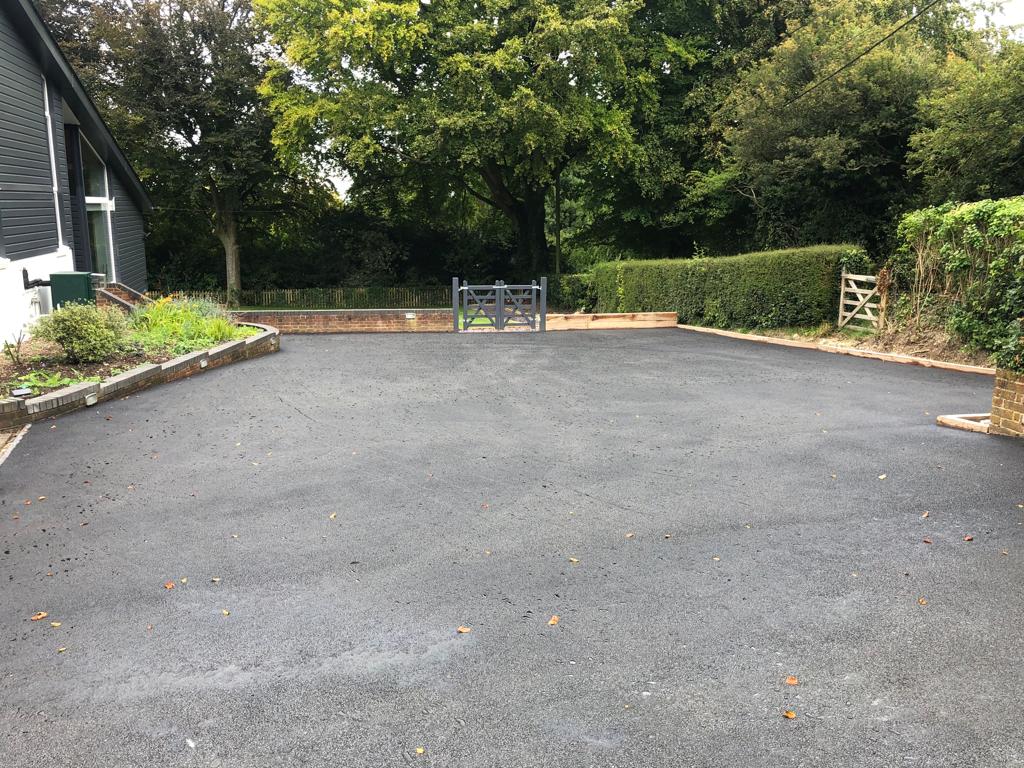
A durable asphalt driveway or paved surface begins long before the asphalt is laid. Although the finished surface is what people notice, the quality of the preparation underneath plays a major role in how well it performs over time. Poor ground preparation, inadequate drainage or an unstable base can lead to cracking, depressions and premature surface deterioration.
For property owners in Sunbury, VIC, Australia, proper asphalt preparation is essential for creating a smooth, stable and long-lasting surface. Understanding the stages involved helps explain why professional preparation is just as important as the asphalt installation itself.
Why Ground Preparation Matters for Asphalt
Asphalt needs a stable foundation to withstand regular vehicle movements and changing weather conditions. If the ground beneath the surface is soft, uneven or poorly compacted, it may shift under pressure. This movement can eventually cause the asphalt above it to crack, sink or develop uneven areas.
The preparation process begins with assessing the existing ground and identifying any weaknesses. Loose material, unsuitable soil and damaged sections of an existing surface may need to be removed before construction can continue.
Creating a suitable foundation helps distribute vehicle loads more evenly and reduces the likelihood of movement. This is particularly important for driveways and access areas that experience frequent use.
Removing Unstable Materials and Preparing the Ground
Before a new asphalt surface can be installed, the working area must be cleared and prepared. Existing damaged asphalt, loose aggregate, vegetation and other unsuitable materials may need to be removed.
The exposed ground is then assessed to determine whether additional excavation or ground improvement is required. Leaving weak or inconsistent material beneath the new surface can compromise the entire installation, even if the asphalt initially looks smooth.
Proper preparation creates a consistent base on which the remaining layers can be constructed. This helps prevent localised settlement and provides a more reliable foundation for the finished surface.
The Importance of a Properly Compacted Base
The base layer is one of the most important parts of an asphalt installation. It provides structural support and helps transfer the weight of vehicles into the ground below.
Suitable base materials must be spread evenly and compacted thoroughly. If compaction is inadequate, the material may continue to settle after the asphalt has been laid. This can create dips, uneven sections and cracks that become more noticeable with continued use.
Professional equipment helps achieve consistent compaction across the prepared area. The required base depth and construction method will depend on the ground conditions, intended use and expected traffic.
Ensuring Effective Drainage
Water is a major factor in the deterioration of asphalt surfaces. When rainwater collects on the driveway or finds its way into weaknesses beneath the surface, it can gradually undermine the foundation.
Proper preparation includes establishing suitable levels and gradients so that water drains away rather than remaining in low spots. Drainage should be considered before the asphalt is installed because correcting poor falls afterwards can be difficult.
A well-prepared surface should direct water towards appropriate drainage points without creating unnecessary pooling near buildings, entrances or other vulnerable areas.
Creating the Right Conditions for Asphalt Installation
Once the foundation has been prepared, the surface needs to be checked for consistency and suitability before asphalt is laid. Any loose material, uneven areas or remaining defects should be addressed at this stage.
The asphalt must then be placed and compacted using suitable equipment and installation techniques. Consistent laying and compaction help create a dense, even finish that can withstand regular use.
The thickness of the asphalt layer should also be appropriate for the intended application. A residential driveway may have different requirements from an area expected to support heavier vehicles.
How Professional Preparation Improves Long-Term Performance
Cutting corners during preparation can result in problems that become expensive and disruptive to correct. Surface cracking, sinking, standing water and premature wear are often linked to weaknesses in the underlying construction rather than the visible asphalt alone.
Sunbury Road Tech understands the importance of preparing the ground properly before asphalt installation. By considering the existing conditions, foundation strength, drainage and intended use, the work can be planned to provide a more dependable finished surface.
Whether you are considering a new driveway or improving an existing paved area, professional preparation helps ensure that each stage contributes to the overall quality of the result.
Conclusion
Proper asphalt preparation is essential for creating a durable surface. Removing unsuitable materials, compacting a stable base, establishing effective drainage and ensuring suitable installation conditions all help reduce the risk of premature deterioration.
For property owners in Sunbury, VIC, Australia, investing attention in the preparation stage can make a significant difference to the performance and appearance of an asphalt driveway. If you are planning a new asphalt surface or need advice about an existing one, contact Sunbury Road Tech to discuss your project.
Call us on: 03 4159 2883
Click here to find out more about Sunbury Road Tech
Click here to complete our contact form and see how we can help with your driveway needs.